Search


Current location:Home > News > Industry News
The textile and garment industry is undergoing a major transformation driven by digitalization, sustainability requirements, and increasing demand for customized production.
For decades, traditional textile processing methods such as stone washing, enzyme washing, sand blasting, and manual finishing have been widely used to create special effects on denim and fabrics. However, these processes often involve high water consumption, chemical usage, intensive labor requirements, and difficulties in maintaining consistent quality.
With growing environmental awareness and stricter sustainability standards worldwide, manufacturers are seeking cleaner, more efficient, and flexible processing technologies.
Laser processing technology has emerged as an innovative solution for modern textile manufacturing. By using precise digital control and high-energy laser beams, manufacturers can achieve various textile effects while reducing resource consumption and improving production efficiency.
Sustainability has become one of the most important trends in the global textile industry.
Traditional garment finishing processes may require:
Large amounts of water
Chemical agents
Wastewater treatment
Additional manual operations
Laser processing is a dry and digital manufacturing technology. It can create different visual effects directly on fabrics without large-scale water washing or chemical treatment.
Benefits include:
Reduced water consumption
Lower chemical usage
Less production waste
Cleaner working environment
This makes laser technology an ideal choice for manufacturers looking to achieve greener production.
The fashion industry is moving toward faster product cycles and customized production.
Traditional processing methods often require:
Physical templates
Manual adjustment
Long preparation time
Laser systems use digital files to control processing patterns, allowing manufacturers to quickly change designs and produce customized effects.
Advantages include:
Easy pattern modification
Faster sample development
Small batch production capability
Consistent processing results
This digital workflow helps garment manufacturers respond quickly to changing market demands.

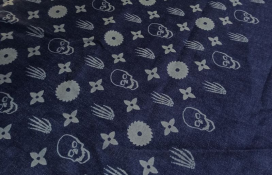
Denim finishing is one of the most successful applications of laser technology.
Traditional denim washing processes, including stone washing and hand sanding, require significant water, chemicals, and labor.
Laser technology can digitally create various denim effects, including:
Whiskers
Vintage effects
Sand wash appearance
Fading effects
Destroyed effects
Customized patterns
By replacing or reducing traditional washing processes, laser finishing helps denim manufacturers improve efficiency while supporting sustainable production goals.
https://www.suniclasertech.com/clothing/3.html
Denim laser washing technology for sustainable garment production
The demand for functional clothing, sportswear, and performance fabrics continues to grow.
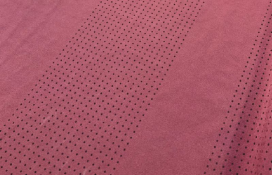
Laser perforation technology enables manufacturers to create precise micro holes on various textile materials.
Typical applications include:
Sportswear ventilation
Yoga clothing
Outdoor apparel
Breathable textile products
Compared with mechanical punching methods, laser perforation provides:
Higher precision
Flexible patterns
Cleaner edges
Digital control
Manufacturers can easily adjust hole size, density, and patterns according to product requirements.
https://www.suniclasertech.com/automation/29.html
Leather products require high-quality finishing with precise patterns and designs.
Laser technology is widely used for:
Leather perforation
Decorative engraving
Pattern cutting
Surface marking
Applications include:
Shoes
Bags
Automotive leather
Fashion accessories
Laser processing provides manufacturers with more creative possibilities while maintaining high-quality finishing results.
https://www.suniclasertech.com/clothing/1.html
Heat transfer materials such as TPU films, PU films, reflective films, and decorative materials are widely used in modern apparel.
Laser processing allows manufacturers to achieve:
Precise cutting
Complex patterns
Small lettering
Customized designs
Compared with traditional cutting methods, laser technology reduces the need for physical dies and improves production flexibility.
https://www.suniclasertech.com/automation/24.html
Processing Method | Traditional Technology | Laser Technology |
Water Consumption | High | Minimal |
Chemical Usage | Required in many processes | Greatly reduced |
Pattern Change | Requires preparation | Digital modification |
Production Flexibility | Limited | High |
Processing Accuracy | Depends on operators | High precision |
Small Batch Production | Difficult | Suitable |
Laser processing does not completely replace every traditional textile process, but it provides manufacturers with a more efficient and sustainable alternative for many applications.
The future of textile manufacturing will continue moving toward automation.
Advanced laser systems are increasingly integrated with:
CCD vision positioning
Automatic feeding systems
Conveyor systems
Production management software
These technologies help manufacturers improve productivity and reduce manual operations.
https://www.suniclasertech.com/automation/5.html
Consumer demand is shifting toward personalized products.
Laser technology enables manufacturers to produce:
Customized patterns
Limited editions
Personalized garments
Fast sample production
Digital laser processing provides an efficient solution for the growing customization market.
Environmental responsibility will continue to influence the future of textile production.
Laser technology supports sustainable manufacturing by:
Reducing resource consumption
Improving production efficiency
Minimizing waste
Supporting cleaner production methods
As global textile manufacturers focus on sustainability, laser processing will become an increasingly important production technology.
The textile and garment industry is entering a new era of digital and sustainable manufacturing.
Laser processing technology provides manufacturers with a powerful combination of:
Precision
Flexibility
Efficiency
Environmental advantages
From denim laser finishing and fabric perforation to leather processing and garment decoration, laser solutions are helping manufacturers create innovative products while improving production sustainability.
As a professional industrial laser equipment manufacturer, Sunic Laser provides advanced laser processing solutions for textile, garment, leather, and related industries, helping global manufacturers achieve smarter and greener production.
